




A Burnout Recovery Therapy Success Story
- Michelle Enos
- Jun 25
- 6 min read
She was the kind of person everyone counted on. The one who answered the text, stayed late, kept the calendar moving, remembered the snacks, checked on her aging parent, and still managed to smile through a work meeting. From the outside, she looked capable. Inside, she felt thin, brittle, and strangely far away from herself. If you are searching for a burnout recovery therapy success story, it may be because some part of you recognizes that feeling.
Burnout rarely begins with a dramatic collapse. More often, it builds quietly. Sleep gets lighter. Patience gets shorter. Joy starts disappearing from things that used to feel easy. Even rest stops working. A weekend passes, and instead of feeling restored, you feel guilty, foggy, or already behind.
For many high-functioning adults, especially caregivers, helping professionals, and women who carry a lot for a lot of people, burnout is not just about being tired. It is nervous system exhaustion. It is the body living in too much pressure for too long. That is why recovery often requires more than insight alone.
A burnout recovery therapy success story begins before the breakthrough
Let’s call her Anna.
Anna came to therapy after months of telling herself she just needed better boundaries, a cleaner routine, and maybe a little more discipline. She had already tried the obvious fixes. She took supplements. She listened to podcasts. She made color-coded lists. She even booked a short getaway, but spent half of it catching up on messages and feeling guilty for being away.
What finally brought her in was not one big crisis. It was a small, quiet moment. She was sitting in her car before work, gripping the steering wheel, and realized she could not remember the last time she felt calm. Not happy. Not productive. Just calm.
That moment matters. Many people seek support only after they have pushed past their limits for so long that numbness starts to feel normal. By the time burnout becomes impossible to ignore, it often overlaps with anxiety, grief, irritability, disconnection, ADHD-related overwhelm, or old survival patterns that have been running in the background for years.
Anna did not need someone to tell her to try harder. She needed a space where her body could stop bracing.
Why burnout recovery therapy looks different than pushing through
One of the hardest truths about burnout is that the same traits that helped create it can interfere with healing. The people who are most capable of pushing through stress are often the ones least practiced at noticing when they have gone too far.
In traditional settings, some clients can talk about burnout very clearly without actually feeling safer in their bodies. They can explain every pattern and still leave tense, flooded, or shut down. Insight matters, but it is not always enough when the nervous system has learned to live in urgency.
This is where experiential, trauma-informed therapy can feel different.
Instead of staying only in analysis, therapy can begin with presence. Breath. Sensation. Noticing what happens when there is no performance required. In a natural setting, away from screens, traffic, and the constant hum of demand, many people start to hear themselves again.
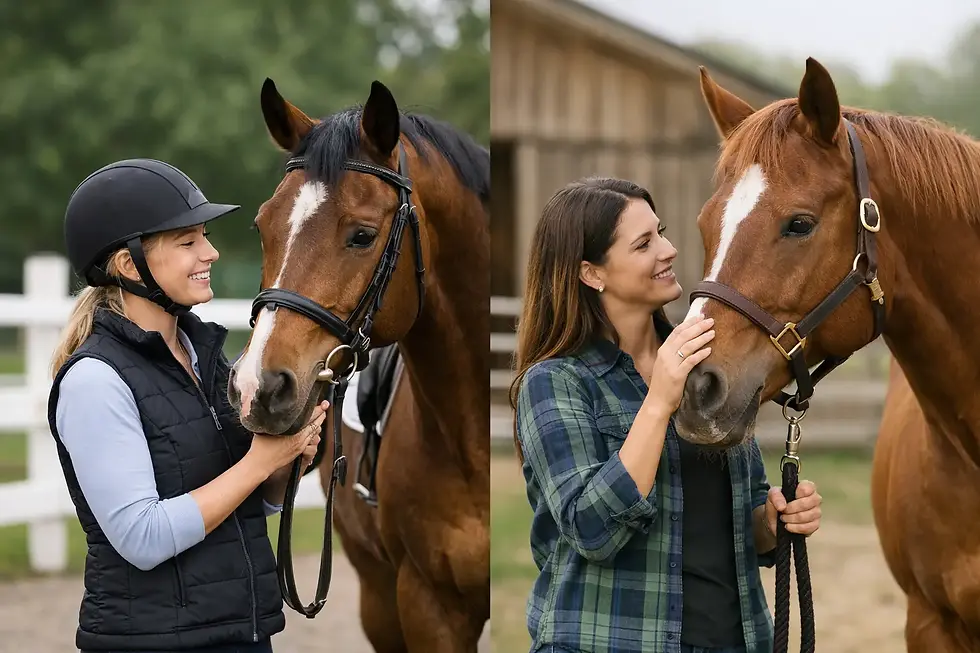
When horses are part of the process, something else becomes possible. Horses respond to what is happening in the present moment, not the polished story we are used to telling. They do not care how competent you look. They notice pace, tension, hesitation, grounding, and authenticity. For someone in burnout, that kind of honest, nonjudgmental feedback can be surprisingly relieving.
What shifted in this burnout recovery therapy success story
At first, Anna was uncomfortable with slowing down. She was used to earning rest, not receiving it. Even in therapy, she wanted to do a good job. She apologized when she got emotional. She laughed when she talked about being overwhelmed. She minimized how exhausted she really was.
That is common. Burnout often comes with self-abandonment so normalized that tenderness feels unfamiliar.
In one session, Anna was invited to stand quietly near a horse and simply notice what was happening in her body. No fixing. No performing. No need to say the right thing. Within a few minutes, she noticed her jaw was tight, her chest felt compressed, and her thoughts were racing ahead to what she needed to do after the session.
As she softened her breathing and let herself settle, the horse, who had been restless and pacing, grew still and turned toward her.
It was a simple moment, but it landed deeply. Not because the horse magically healed her, but because her body experienced something true. When she became more present, the relationship changed. She did not have to force connection. She had to come back to herself.
That session gave language to what she had been living for years. She was moving through life braced. Productive, yes. Reliable, yes. But braced.
From there, therapy focused less on optimization and more on regulation. Anna began noticing early signs of overload instead of waiting until she was at a breaking point. She practiced pausing before saying yes. She learned that guilt would often show up when she chose rest, and that guilt did not automatically mean she was doing something wrong.
There were no instant transformations. Some weeks she felt clearer. Some weeks she slid right back into old habits. That is part of real healing. Burnout recovery is rarely linear, especially when your identity has been built around being needed.
Still, change became visible.
She started sleeping more deeply. She cried more easily, which for her was a sign of thawing, not falling apart. She stopped forcing herself to socialize when she needed quiet. She became less reactive with her kids. She noticed that her body no longer felt hijacked every Sunday night.
Most importantly, she stopped measuring recovery by how quickly she could return to overfunctioning.
The real markers of healing
A good burnout recovery therapy success story is not just about becoming efficient again. It is about becoming more connected, more honest, and more able to live without constant internal pressure.
For Anna, success looked like being able to notice, "I am overloaded," before resentment took over. It looked like letting one email wait. It looked like eating lunch while sitting down. It looked like hearing her own no without arguing with it.
It also looked like grief.
As her nervous system settled, she began to feel sadness about how long she had lived in survival mode. This is another part people do not talk about enough. Recovery can bring relief, but it can also bring mourning. You may grieve the years spent disconnected from yourself. You may feel angry that you had to carry so much. You may realize your burnout was never just about your schedule. Sometimes it was about old attachment wounds, chronic over-responsibility, trauma, or the belief that your worth lived in how much you could handle.
That does not mean healing is failing. Often it means healing is getting honest.
Why this kind of story matters
If you see yourself in Anna, the point is not that your path will look exactly like hers. It may not. Some people need individual therapy. Some do well with group work, retreats, or a combination of approaches. Some connect immediately with experiential therapy. Others need time to feel safe enough to slow down.
It depends on your history, your capacity, and what burnout is intertwined with for you.
But this kind of story matters because it challenges a harmful idea - that burnout recovery is just a matter of better habits and stronger willpower. Sometimes what is needed is a different environment, a safer relationship, and a therapeutic approach that includes the body, not just the mind.
For people who have spent years overriding themselves, healing often begins in very quiet ways. A deeper breath. A softer jaw. The first moment of realizing you are not in trouble right now. The first time your body believes it.
At Deerhorn Ranch, that kind of work is honored for what it is: real, relational, and often slower than our culture would prefer. But slow is not a problem when your system has been running on alarm.
If you have been waiting for permission to stop pretending you are fine, let this be the helpful thing you carry with you today: recovery does not ask you to become someone new. It asks you to come back to the part of you that has been there all along, waiting for enough safety to exhale.


Comments