



Natural Lifemanship Review: Is It a Good Fit?
You may be able to explain exactly why you feel overwhelmed and still feel your body bracing for the next demand. For people who have spent years talking through anxiety, grief, trauma, burnout, or relationship pain without quite feeling settled, a Natural Lifemanship review often begins with a simple question: could healing feel different when it happens in relationship, in the present moment, and outside four office walls?
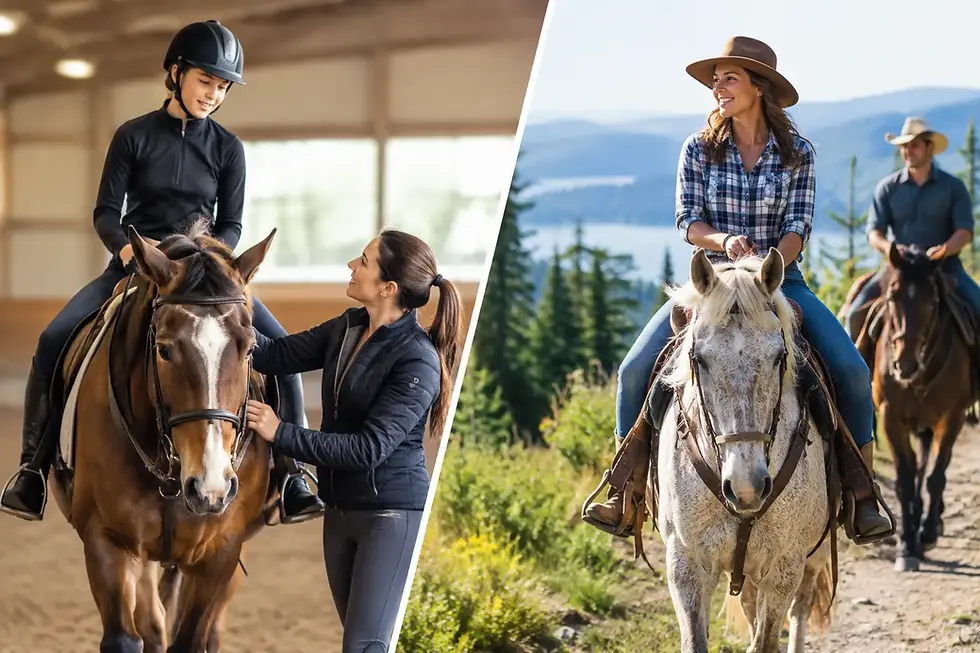
Natural Lifemanship is an equine-assisted psychotherapy approach built around attachment, trauma-informed care, nervous system regulation, and the healing potential of safe relationships. It is not horseback riding instruction, and it is not about getting a horse to obey. The work is usually done on the ground, alongside horses, with attention to what unfolds between you, the horse, and the therapist.
For some people, that shift can be deeply meaningful. For others, it may not be the right first step. A useful review needs room for both truths.
What Natural Lifemanship Is Really About
At its heart, Natural Lifemanship sees relationship as more than a topic to discuss. It is something we experience in real time. Horses are highly aware of body language, pace, tension, distance, and changes in energy. They do not diagnose us or judge our stories. But they may respond to how we show up, creating an honest moment that can be noticed with care.
A session may involve standing quietly near a horse, leading one through an arena, observing its behavior, or working through a simple shared task. The activity itself is not the point. What matters is what it brings forward: perhaps the urge to rush, difficulty asking for space, fear of making a mistake, a familiar need to please, or the surprising relief of being present without needing the right words.
A trained clinician helps make meaning of those moments without forcing an interpretation. If a horse steps away, for example, that does not mean you are being rejected or have done something wrong. It may simply be an opening to get curious about boundaries, communication, nervous system cues, or what happens inside you when connection feels uncertain.
That emphasis on curiosity and consent is one of the model's most valuable features. Good equine-assisted psychotherapy does not turn a horse's behavior into a personality test.
Natural Lifemanship Review: What Sets It Apart
Many people picture equine therapy as a series of confidence-building exercises. Confidence can absolutely grow here, but Natural Lifemanship has a more relational focus. Its framework is influenced by attachment science and trauma treatment, with particular attention to regulation, connection, and the ways early relationships can shape our patterns of protection.
That can make it especially resonant for someone who looks capable from the outside but feels chronically activated inside. Maybe you are a caregiver who cannot stop scanning for everyone else's needs. Maybe ADHD-related overwhelm makes it hard to slow down long enough to know what you feel. Maybe trauma has taught your nervous system that closeness, rest, or asking for help is risky.
In a quiet ranch setting, those patterns can become visible without needing to be performed or perfectly explained. Horses invite a slower pace. They ask for presence, not polish. There can be real relief in discovering that you do not have to impress anyone to be met with steadiness.
The model also holds the horse's well-being as part of ethical practice. Horses are not props or treatment tools to be pushed through activities. Their choice, comfort, and behavior matter. That is not only humane; it supports the central lesson that healthy relationship includes mutuality, boundaries, and respect.
What a Session Can Feel Like
There is no single script. One session may be quiet and reflective. Another may bring up strong feelings. You might arrive wound tight from traffic, notifications, work, or family demands and notice, ten minutes later, that your shoulders have dropped for the first time all day.
A therapist might invite you to notice your feet on the ground before approaching a horse. You may be asked what you notice in your body when the horse moves closer, turns away, or pauses. The pace should be collaborative. You can say no, take a break, stay at a distance, or talk instead of engaging in an activity.
That choice matters, especially for trauma survivors and people who have felt pressured to push past their limits. Healing is not supposed to be another performance test. A trauma-informed experience makes room for your capacity on that particular day.
At Deerhorn Ranch, this kind of work is grounded in the belief that safety, relationship, and embodied awareness can create room for change. That does not mean every session feels peaceful or easy. Sometimes the most honest work begins when we notice the part of ourselves that wants to shut down, control the outcome, or leave before connection has a chance to grow.
Who May Find This Approach Helpful
Natural Lifemanship may be a good fit for adults, teens, couples, or groups who want more than a purely verbal therapy experience. It can be particularly supportive for people who feel disconnected from their bodies, stuck in old relational patterns, or exhausted by trying to think their way out of distress.
Someone grieving a loss may find the steady rhythm of being outdoors more accessible than sitting under fluorescent lights. A teen who finds direct conversation intimidating may feel safer talking while walking beside a horse. A burned-out nurse, parent, or first responder spouse may appreciate a space where nothing needs to be fixed immediately.
It may also support people who are already in traditional therapy and want an experiential complement. Insights that make sense intellectually do not always reach the nervous system right away. Carefully facilitated experiences can help bridge that gap.
Still, equine-assisted psychotherapy is not a replacement for every kind of care. Acute psychiatric crises, active safety concerns, severe substance withdrawal, or a need for intensive treatment may call for a different level of support first. A responsible provider will be clear about scope, collaborate with other professionals when appropriate, and help you consider what care is safest.
The Trade-Offs Worth Considering
The setting is part of the appeal, but it also requires practical consideration. Sessions are outdoors and may be affected by weather, terrain, sensory sensitivity, transportation, mobility needs, and comfort around large animals. You do not need horse experience, athletic ability, or a certain kind of personality. But you do need a willingness to be outdoors and engage at a pace that may feel less predictable than office therapy.
Cost and insurance coverage can also vary. Equine-assisted psychotherapy often requires specialized space, animal care, and clinical training, which can make it less accessible than standard outpatient therapy. Before beginning, ask about fees, availability, cancellation policies, credentials, and whether the provider offers a consultation to help determine fit.
Credentials deserve thoughtful attention, too. Natural Lifemanship training is meaningful, but training alone is not the same as being licensed to provide psychotherapy. If you are seeking mental health treatment, look for a qualified mental health professional practicing within their license and training. Ask how they approach trauma, emotional activation, physical safety, confidentiality, and the welfare of the horses.
Questions to Ask Before You Begin
A good conversation with a provider should leave you feeling more informed, not pressured. You might ask how sessions are structured, what happens if you become overwhelmed, whether you can observe or begin slowly, and how the therapist adapts work for anxiety, trauma, neurodivergence, or physical limitations.
It is also reasonable to ask how the provider understands the horse's role. Listen for language about consent, relationship, safety, and clinical intention rather than promises of quick transformation. No ethical therapy can guarantee a particular outcome.
The best fit is often less about finding a perfect method and more about finding a practitioner and setting where your system can begin to soften. You should feel respected in your hesitation, welcomed in your questions, and free to move at a human pace.
If you have been carrying too much for too long, you do not have to force yourself into another approach that feels disconnected from who you are. Sometimes a quieter space, a watchful horse, and a safe relationship offer a different place to begin: not with pressure to become someone new, but with permission to come back to yourself.


Comments